Why Does Digital Visibility Matter So Much in Logistics?
Logistics is an industry built on trust. Before entrusting their cargo to a company, shippers and exporters look online first: at the corporate website, the Google presence, social media accounts and references. A company that presents an organized, up-to-date and professional digital storefront starts earning trust before the first contact ever happens.
In tender and proposal processes especially, the first impression is usually formed online. Procurement teams shortlist bidders by reviewing their websites and LinkedIn pages. A neglected digital presence that has not been updated in years can eliminate you before you even reach the table, no matter how strong your fleet and operations are.
“In B2B purchasing, the decision starts taking shape online before you ever enter the room; a strong digital presence is the first page of your proposal.”
B2B Content Strategy: LinkedIn, Corporate Website and Reference Showcase
In logistics, your customer is not the end consumer; it is exporters, manufacturers and procurement managers. LinkedIn is where this audience is most concentrated. A company page that regularly shares your operations, completed projects, team and industry insights keeps your brand alive in decision-makers' minds. The goal is not to go viral; it is to be the company that comes to mind and inspires confidence when it is time to request a quote.
- Corporate website: A fast, mobile-friendly site that clearly explains your services — most procurement professionals will review you on their phone
- Reference showcase: Concrete work examples and client testimonials for the industries and transport types you serve
- LinkedIn company page: A consistent publishing calendar with operations, team and industry-insight content
- Blog or knowledge hub: Content answering shippers' questions on topics like customs, routes and seasonality
The Power of Visual Identity: Fleet, Team and a Consistent Brand Language
In logistics, your strongest marketing material is already in your hands: your fleet, your warehouses and your team in the field. A website full of stock photos looks like everyone else's; professionally shot visuals of your own vehicles and people say "this company is real, this work actually happens on the ground" more convincingly than any slogan.
Consistency matters as much as visual quality. Using the same logo treatment, the same color palette and the same tone of voice across your website, social media graphics, proposal documents and vehicle branding turns a fragmented image into a coherent corporate whole. B2B buyers may not consciously notice this consistency, but they feel it — and they read it as professionalism.
Capturing Demand with Google Ads
Someone searching for terms like "international freight company", "overseas shipping" or "groupage transport" is usually a warm buyer with an immediate need. Google Ads lets you capture this high-intent demand at the exact moment it forms. In B2B logistics, advertising's job is not to persuade the masses; it is to put the right message in front of the right person who is already searching.
The landing page matters as much as the ad itself. Send clicks not to a generic homepage but to a targeted page that explains the relevant service, shows references and offers an easy-to-complete quote form. Set up conversion tracking from day one, so you can see which search terms actually generate quote requests and shift budget toward them.
Social Proof and Case Studies
B2B buyers avoid risk; they look for traces of those who tried you before them. Short case studies structured as need–solution–outcome, industry-based reference lists and genuine client testimonials are far more persuasive than any price list. Showing an example from the exact industry you are targeting can single-handedly create the feeling of "they know our business".
The Most Common Digital Marketing Mistakes Logistics Companies Make
- Leaving the website untouched for years and the reference page empty
- Using social media only for holiday greetings
- Relying on stock photos and never showing your own fleet and team
- Assuming "our customers don't search online" without ever testing Google Ads
- Breaking brand consistency with different logos, colors and tones on every channel
- Applying B2C tactics to B2B decision-makers without adaptation
Where Should You Start?
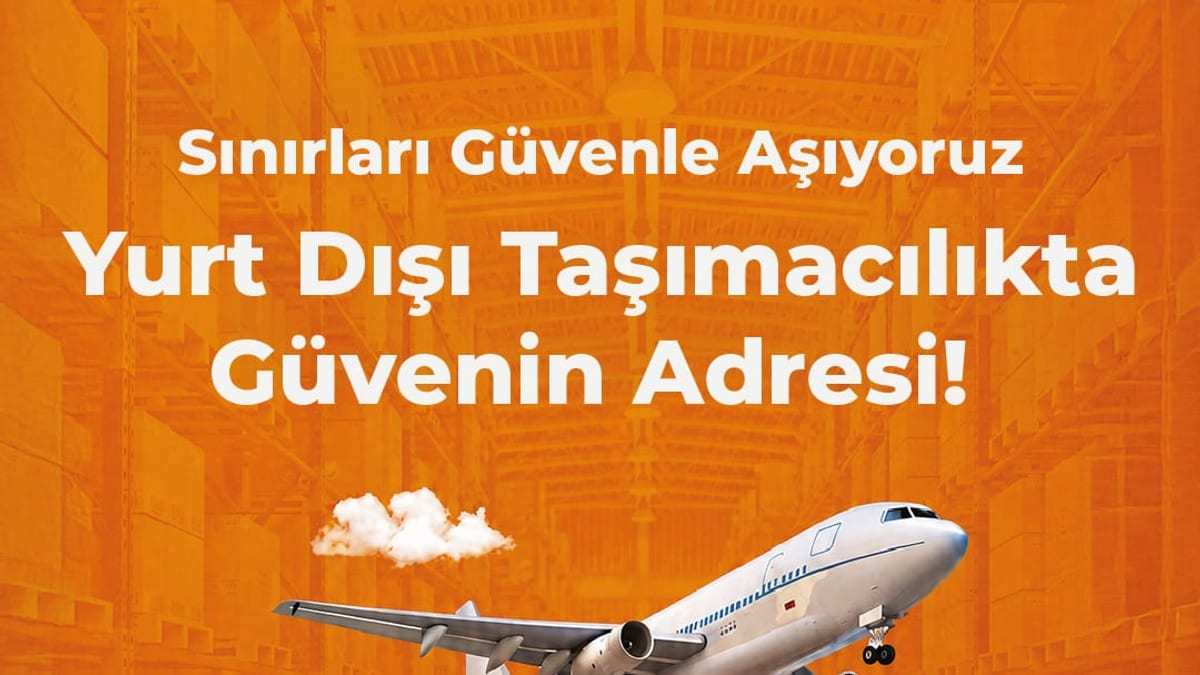
You do not have to do everything at once: first putting the digital storefront in order (website + LinkedIn + references), then establishing the visual identity and capturing demand with Google Ads is the healthiest sequence for most logistics companies. At Area Medya we work with more than 28 brands; the brand visuals and social media graphics we produce for BARS Lojistik, an international freight company, are a real-world example of the consistent visual identity approach described in this article. If you want to strengthen your logistics brand's digital visibility, our social media management, web design and digital advertising teams can plan this journey with you.